Gray divorce means couples splitting at 50 or older, and late-life separation can disrupt retirement because decades of joint planning must be untangled quickly.
Advisors highlighted a crucial shift: stop focusing on getting half, and start testing whether each asset mix can support future retirement income.
A full inventory should cover pensions, benefits, retirement accounts, stock compensation, insurance, and other income sources, because net worth alone may mask income gaps.
Illiquid holdings like Real Estate, businesses, and vacation properties may need offsets, with one spouse keeping the asset while the other receives flexibility.
Early guidance can prevent costly mistakes: gather documents first, model post-divorce income and spending, and bring in a divorce finance specialist when money matters.
Blog
-

Gray Divorce Upends Retirement Plans
-

US SIMPLE IRA Rules Got Smarter
The standard 2026 elective deferral limit is $17K, while employers with 25 or fewer employees can formally elect $18.1K after written notice to staff.
Catchups matter: a 50-yr-old owner can shelter $22K, and ages 60-to-63 can shelter $23.35K in tax-deferred savings, helping close retirement gaps faster.
Roth SIMPLE IRA options let employees choose after-tax savings with tax-free growth, useful for younger staff and high earners expecting higher taxes.
Employer flexibility includes additional nonelective contributions up to ~10%, capped at $5K; outgrown practices may transition mid-year to Safe Harbor 401(k) now.
If the plan document lacks 2024+ small-employer election or Roth language, a specialized advisor can usually fix gaps with paperwork, not overhaul. -

How to Manage Money: A Step-By-Step Guide for Beginners
Money management involves budgeting, saving, reducing debt, and investing for the future. Start by assessing your finances honestly, then create a budget that fits your needs, such as the 50/30/20 rule. Track spending, find savings opportunities, and separate accounts for bills and goals. Prioritize paying off high-interest debt and maintain good credit habits. Build an emergency fund, invest for retirement, and stay persistent for long-term financial stability.
Continue to full article -

5 Common Money Tips Young Adults Often Hear (and What to Consider)
Build a solid financial foundation by considering an emergency fund for unexpected expenses (the right amount can vary). Develop a healthy money mindset by being mindful of spending and saving toward future goals. Learn about employer benefit plans, including how retirement matches generally work. Clearly define short- and long-term financial goals to help guide your planning. Consider working with a financial advisor to discuss strategies that may fit your situation and goals.
Continue to full article -

What Millennials Should Do to Combat the Fear of Running Out of Money
Most millennials fear running out of money more than death, a concern shared by many Gen Xers and baby boomers. To reduce this fear, experts suggest delaying Social Security benefits until age 70 to increase income, diversifying investments for stability, maintaining a budget with emergency savings, saving aggressively (20-25% of income), and using tax-advantaged accounts like Roth IRAs for long-term, tax-free growth.
Continue to full article -

Expert Tips to Maximize Your Retirement Finances
Retirement portfolios must generate predictable income and keep pace with inflation, say financial advisors.
The bucket strategy segments assets by time horizon: cash for 0-3 years, stocks/bonds for longer periods.
Diversification is key; include global stocks, bonds, and REITs to reduce risk and volatility.
Tax-efficient withdrawals matter: use taxable accounts first, then IRAs/401(k)s, saving Roth IRAs for later.
Goal shifts from accumulation to steady income, inflation protection, and growth tailored to your needs. -

401(K) Savers Can Aim Higher
For 2026, employee elective deferral limits are $24.5K in defined contribution plans, with higher catch-up room for workers age 50+ and select early-60s savers.
Workers age 50+ can contribute $32.5K in 2026, while those age 60 through 63 may reach $35.75K because of recent retirement law changes.
Maxing out is not required for everyone, but it can support stronger retirement security when a workplace plan is your main savings vehicle.
Compounding rewards earlier contributions: money invested sooner has more time to grow, making delayed saving harder to catch up later for many workers.
Practical steps include reviewing spending, redirecting raises or bonuses, trimming recurring costs, capturing employer matches, and using automatic contributions where available to stay on track. -

Retirement Budgets May Be Backward
Many retirees start with yield, but that only covers today. Better planning asks whether income will still handle rising costs years from now.
In the US, the 2026 cost-of-living adjustment was ~3%, while inflation stayed above that through the first half of 2026, pressuring fixed-income budgets.
High-yield assets can solve immediate cash needs, but flat payouts lose purchasing power over time, and distribution cuts can leave a real hole.
Dividend-growth stocks usually start with lower income, yet steadily rising payouts can outpace inflation and potentially double portfolio income over a decade.
More durable retirement plans blend current income, growing income, and stable bonds, while stress-testing any high-yield position against a possible payout cut. -

Tips To Budgeting When You Aren’t On A Salary
To budget on commission-based income, create two bank accounts: a RESERVE fund for savings and monthly expenses, and an EARNINGS account for paying yourself. Build your reserve by budgeting strictly and consider a side job if needed. Track all expenses—fixed, variable, and periodic—then divide annual costs by 12 to set monthly savings goals. Pay yourself regularly from the reserve, automate savings and retirement contributions, and allow yourself grace during fluctuating months. Planning ahead ensures financial stability.
Continue to full article -
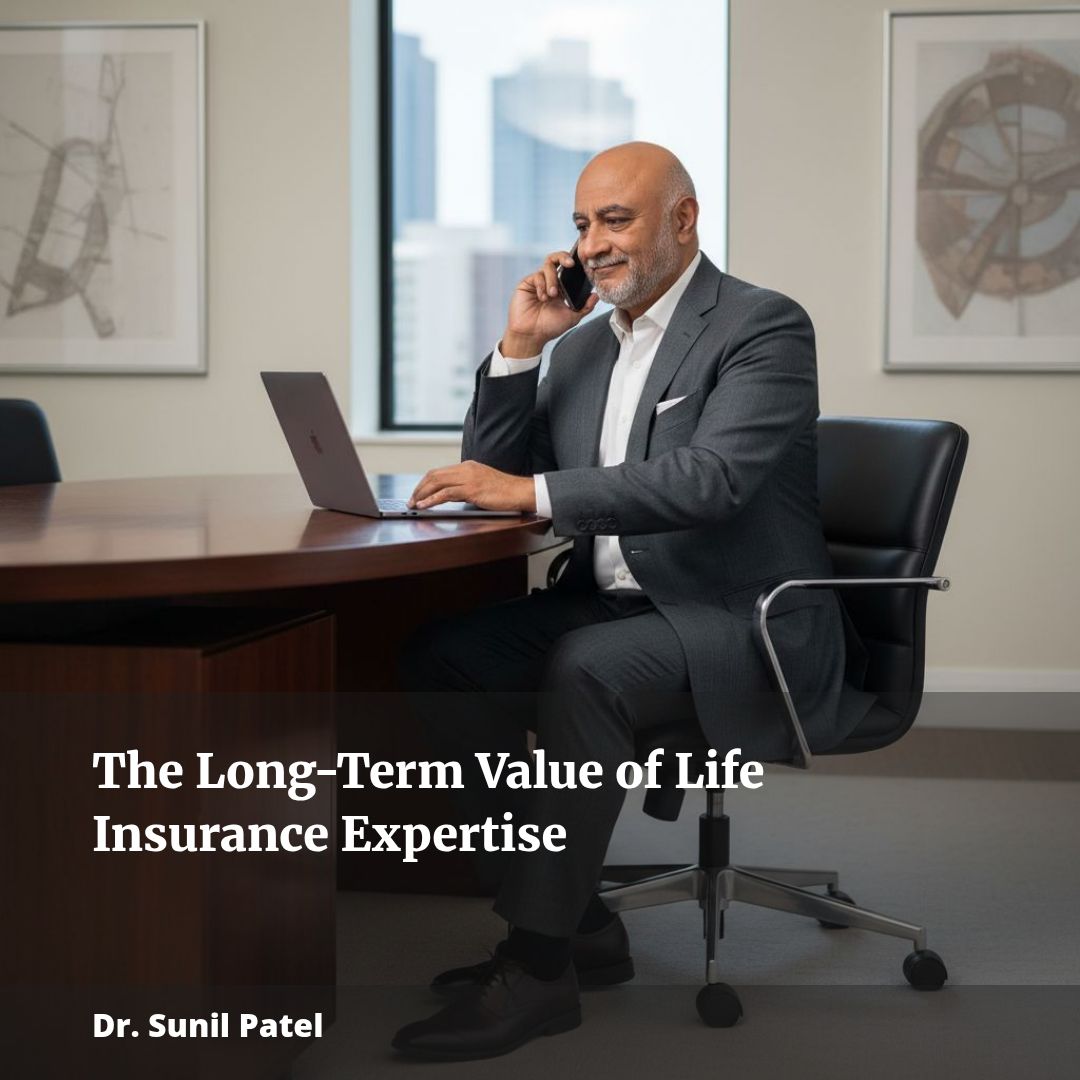
The Long-Term Value of Life Insurance Expertise
Life insurance expertise is crucial due to the product's complexity, requiring knowledge in financial planning, risk assessment, and regulations. Skilled professionals provide tailored solutions, enhancing client trust and long-term relationships. Organizations investing in such expertise gain market insight, adapt to regulatory changes, and offer strategic advice. This expertise supports clients through life events and strengthens financial security, ensuring industry relevance and resilience.
Continue to full article